این بخش هنوز ترجمه نشده است و به همین دلیل به انگلیسی نمایش داده میشود.
تاریخچه
Silahdar Damad Ali Pasha, son-in-law of Sultan Ahmed III and grand vizier from 1713, was shot on 5 August 1716 while leading a charge near Petrovaradin; his body was buried in the graveyard of the Sultan Süleyman Mosque inside the Belgrade fortress4. The Belgrade Fortress public enterprise says his grave was destroyed with the mosque a few years later, during the Austrian occupation1. TDV records that a türbe was raised for him after Belgrade was retaken, and reports, after Hammer, that about seventy years later the Austrians carried his bones to Hadersdorf in Vienna4. Yılmaz writes that the building inscription of his türbe, taken as booty, reached the Hungarian National Museum in 1840 and returned to Belgrade in 19586.
The fortress public enterprise gives the standing türbe a different origin, dating it to 1784 and placing it over the grave of İzzet Mehmed Pasha, commander of Belgrade, who died that year1. A former grand vizier, he was posted to Smederevo with charge of Belgrade's fortress in January 1783 and died in Belgrade on 6 March 17845. Yılmaz notes, however, that his burial place is unknown and that his gravestone was taken to Gasztony in Hungary in 17896. The fortress administration adds that the türbe, damaged in the First Serbian Uprising, was rebuilt in 1818-1819 by Marashli Ali Pasha, who dedicated it to Damad Ali Pasha1. Two later commanders, Selim Pasha (1847) and Hasan Pasha (1850), were buried here1.
معماری
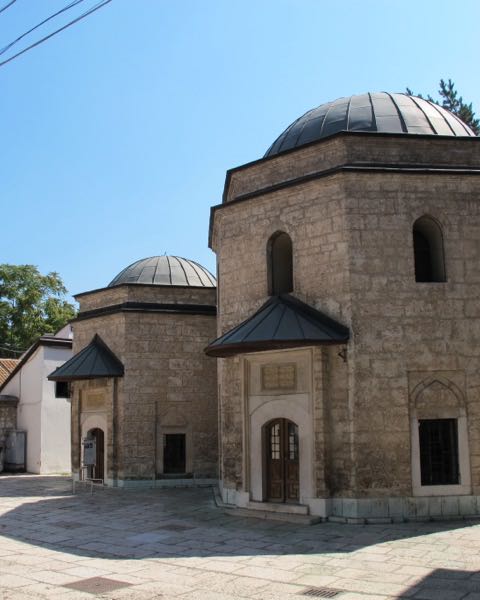
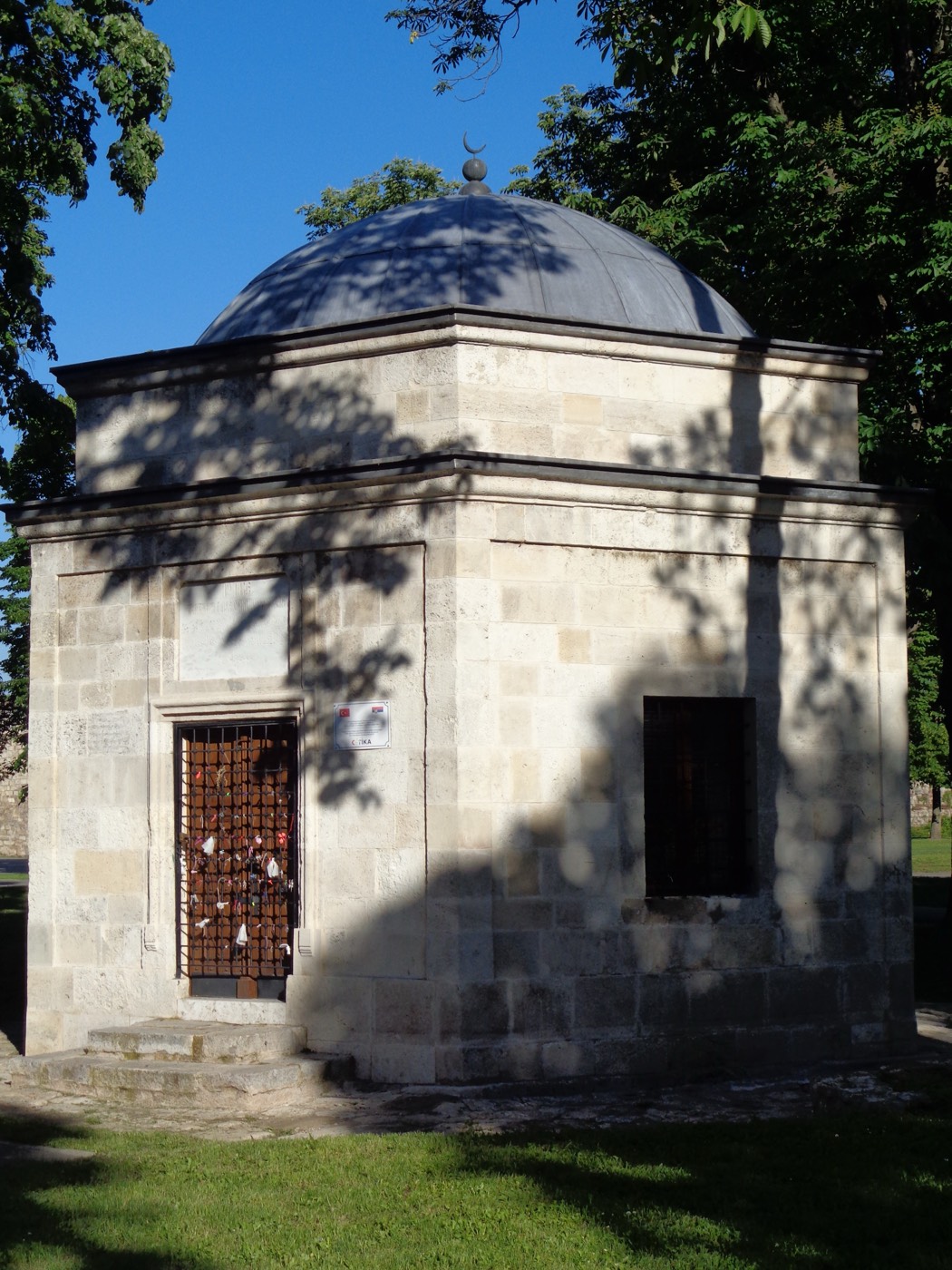
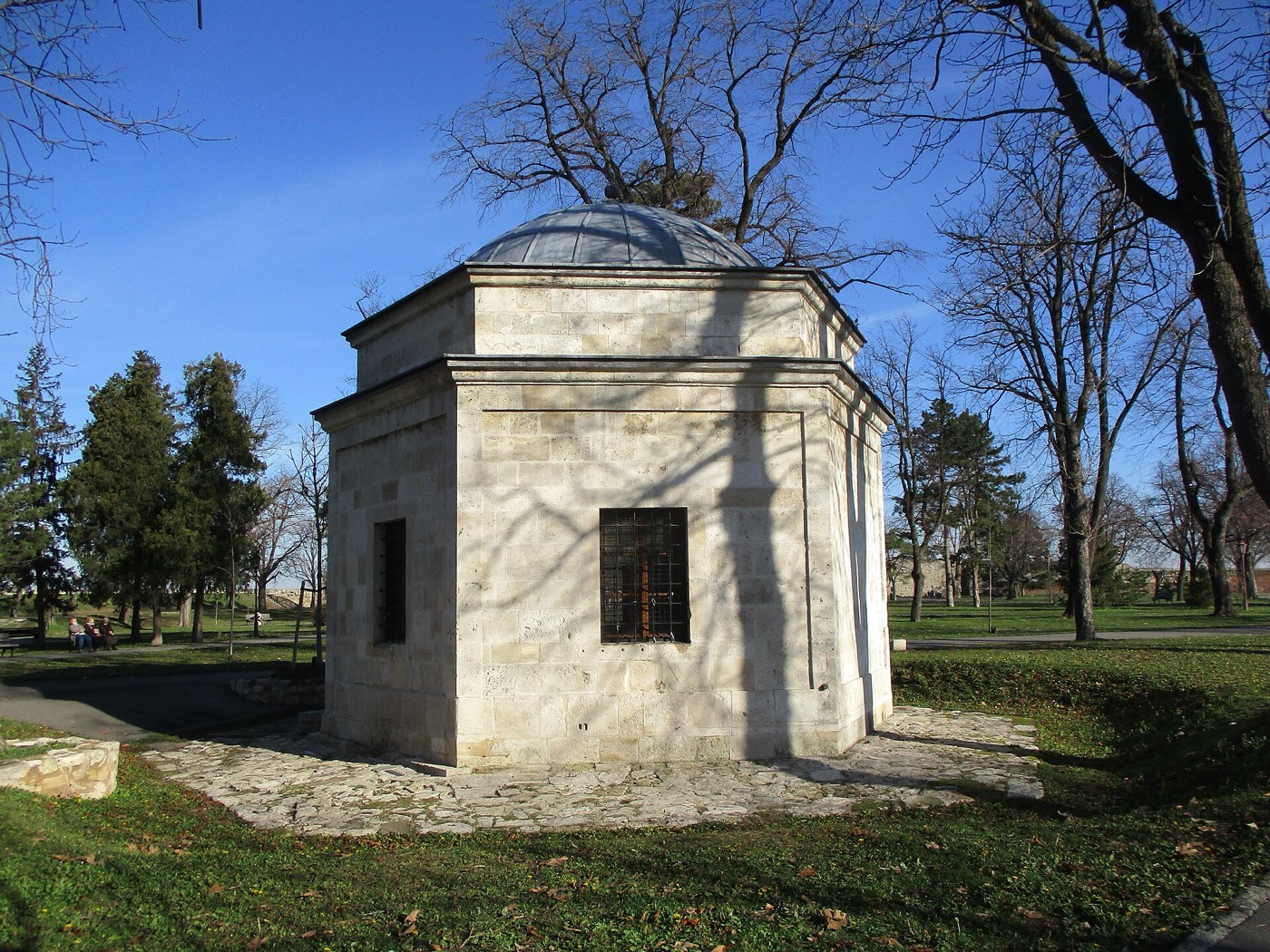
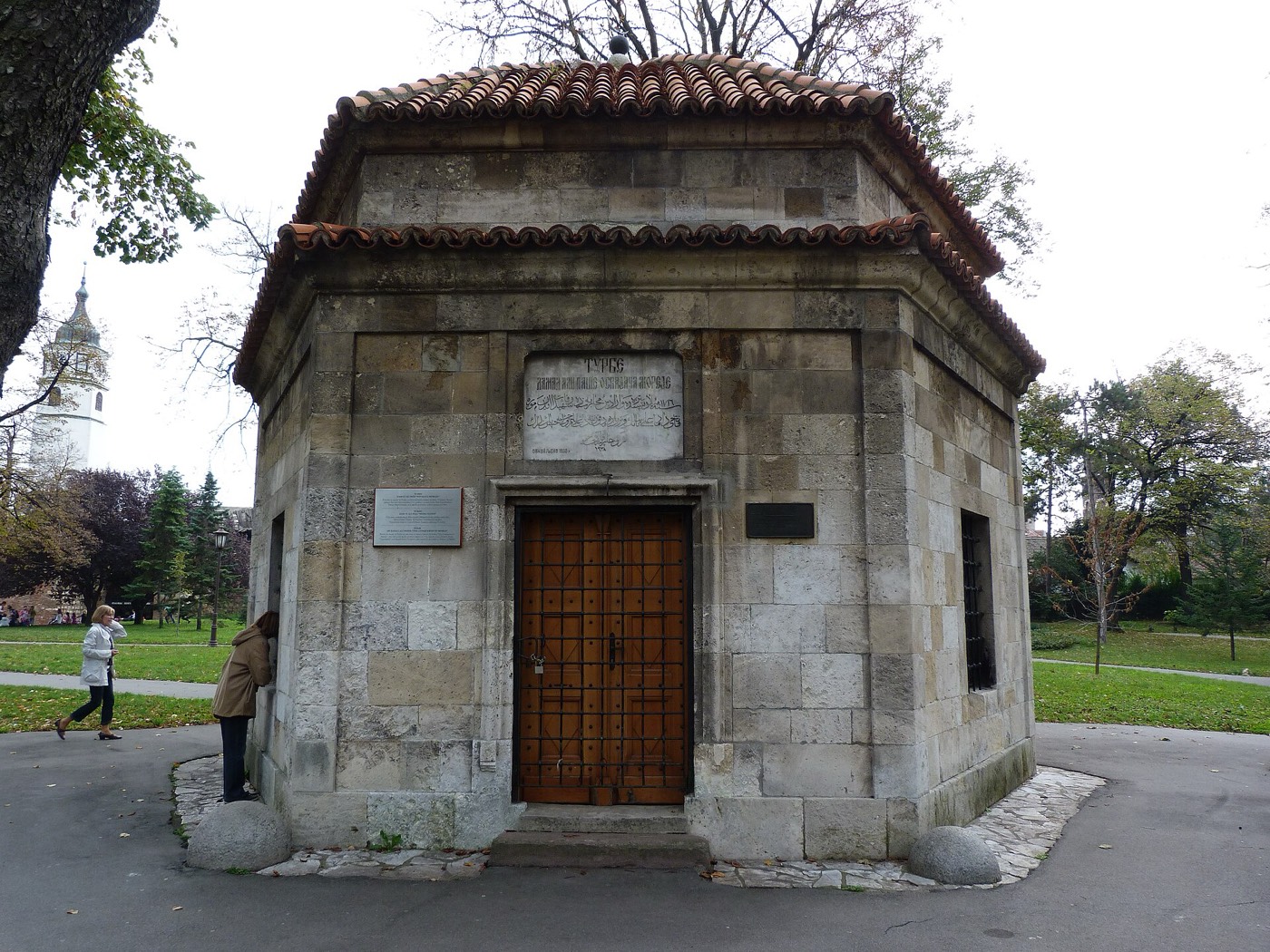
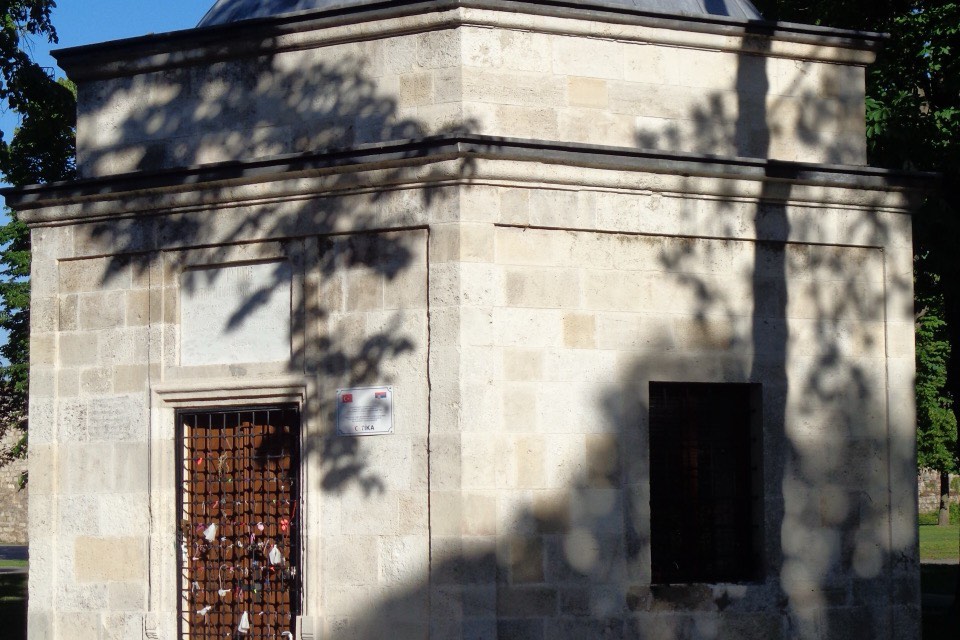
The türbe is a hexagonal building in the middle of the Upper Town, and the Belgrade Fortress public enterprise counts it among the few Turkish buildings preserved in Belgrade1. Its present form reflects several campaigns: the rebuilding of 1818-1819, another rebuilding before the Second World War, and reconstruction and restoration in 2017 to a design by the Institute for the Protection of Cultural Monuments of the City of Belgrade1. The Institute prepared the conceptual design in 2016-2017 with the Turkish Cooperation and Coordination Agency (TİKA), and then worked with TİKA on the fountain of Mehmed Pasha Sokolović in the same fortress3. In a news item of 11 October 2017, TİKA reports that the dome, damaged by moisture, was repaired, that drainage was laid around the türbe and that the ground was brought back to its original floor level7.
The Institute's register does not list the türbe on its own: it is protected as part of the Belgrade Fortress, first placed under protection in 1946 and declared a cultural property of exceptional importance in 1979 (Službeni glasnik SRS 14/79)2. Conservation work on the Upper Town plateau after the Second World War uncovered and conserved the foundations of a former mosque and of a türbe8. TİKA's own description dates the türbe to 1741 and credits Defterdar Kapıcıbaşı Mustafa Pasha, which conflicts with the 1784 date given by the fortress administration1,7.
درون بنا
According to the fortress administration, the türbe holds the graves of İzzet Mehmed Pasha (d. 1784) and of two later commanders of Belgrade, Selim Pasha (1847) and Hasan Pasha (1850)1. When Marashli Ali Pasha rebuilt it in 1818-1819, he dedicated it to Grand Vizier Damad Ali Pasha, whose own grave near the Sultan Süleyman Mosque had been destroyed1. During the rebuilding before the Second World War an old tombstone dedicated to Damad Ali Pasha was found and set up again, and the türbe still bears his name1.
آنچه باید دید
- The hexagonal plan of one of the few Ottoman buildings still standing in Belgrade1.
- The old tombstone dedicated to Damad Ali Pasha, found and set up again before the Second World War1.
- The dome, repaired after moisture damage in the restoration prepared with TİKA3,7.
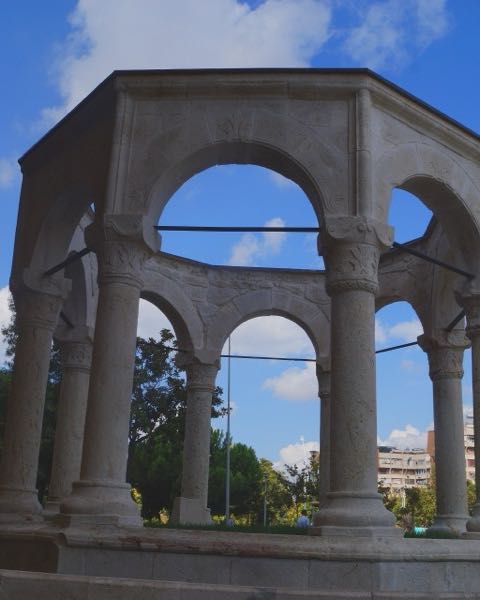
- The fountain of Mehmed Pasha Sokolović in the same fortress, the Institute's next project with TİKA3.
- Foundations of a former mosque and a türbe, conserved on the Upper Town plateau after the Second World War8.
بازدید
- The türbe stands in the middle of the Upper Town (Gornji grad) of the Belgrade Fortress1.
- It is protected as part of the Belgrade Fortress, a cultural property of exceptional importance2.
- The fortress administration's website offers an interactive map and a virtual tour of the fortress1.
اطلاعات رسمی: Public Enterprise Belgrade Fortress (JP Beogradska tvrđava); heritage protection by the Institute for the Protection of Cultural Monuments of the City of Belgradeمسیریابیباز کردن در OpenStreetMapتورهای همراه با راهنما در بلگراد